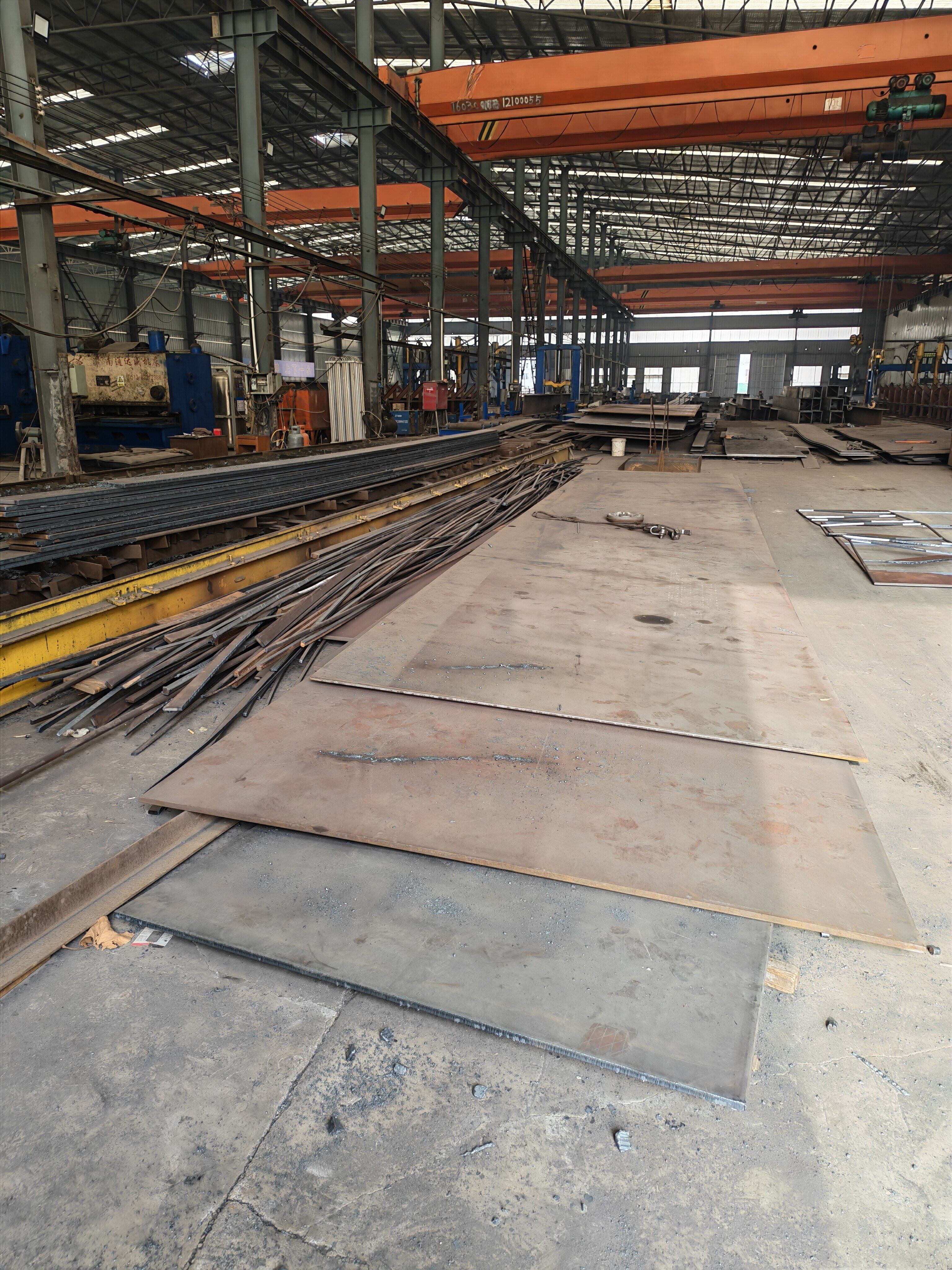
Before traveling, confirm the factory and visit agenda in writing and bring your project requirements. On-site, verify the contracting supplier, production location, material traceability, fabrication and inspection records, marking, and packing; document any unconfirmed items in a list. A site visit does not replace the contract or agreed inspections. For projects in DR Congo and Zambia, provide the location, building use, and drawing status.
Before departure, confirm in writing the manufacturing facility and visit schedule, and bring project requirements. On-site, verify the contracting supplier against the actual production site, material traceability, processing and inspection records, numbering, and packaging. Compile any unconfirmed items into a written checklist. Factory visits do not replace contractual or agreed inspections. For projects in the Democratic Republic of the Congo and Zambia, bring the project location, building use, and drawing status.
Schedule the visit
Factory visits are by appointment only. For initial inquiries, please submit only your project outline, preferred dates, and number of visitors. We will then confirm in writing: the factory location that will fulfill your order, the production processes you can observe, your host contact, the day's agenda, and whether relevant production will be running on your requested dates. If visa support documents are required later, we will address this separately. Do not share passport details via this website or in an initial WhatsApp message. Visa requirements and approvals are determined solely by the relevant authorities; we cannot guarantee any outcome.
Factory visits require advance booking. For initial inquiries, please provide a project overview, your preferred date, and the number of visitors. We will then confirm in writing the manufacturing plant handling your order, the production processes available for viewing, assigned staff, the day's itinerary, and whether any production related to your order is scheduled during that period. If visa documentation becomes necessary later, we will contact you separately—please do not submit passport information via this website or in initial WhatsApp messages. Visa requirements and outcomes are determined by relevant authorities; we cannot guarantee results.
Get ready before you travel
- Bring your drawings or a written requirements list so we can answer technical questions on the spot.
- List the documents you want to view: business license, material certificates, welding procedure and welder records, coating thickness records.
- Determine the capacity verification requirements: cutting, welding, drilling, shot blasting, coating, and packing.
- Prepare any remaining commercial questions regarding scope, schedule, and payment.
Bring drawings or a written requirements list to facilitate on-site technical discussions. Specify documents you wish to review (business license, material certifications, welding procedures and welder records, coating thickness reports). Identify production stages requiring verification (cutting, welding, hole drilling, shot blasting, painting, packaging). Prepare business questions regarding scope, schedule, and payment terms.
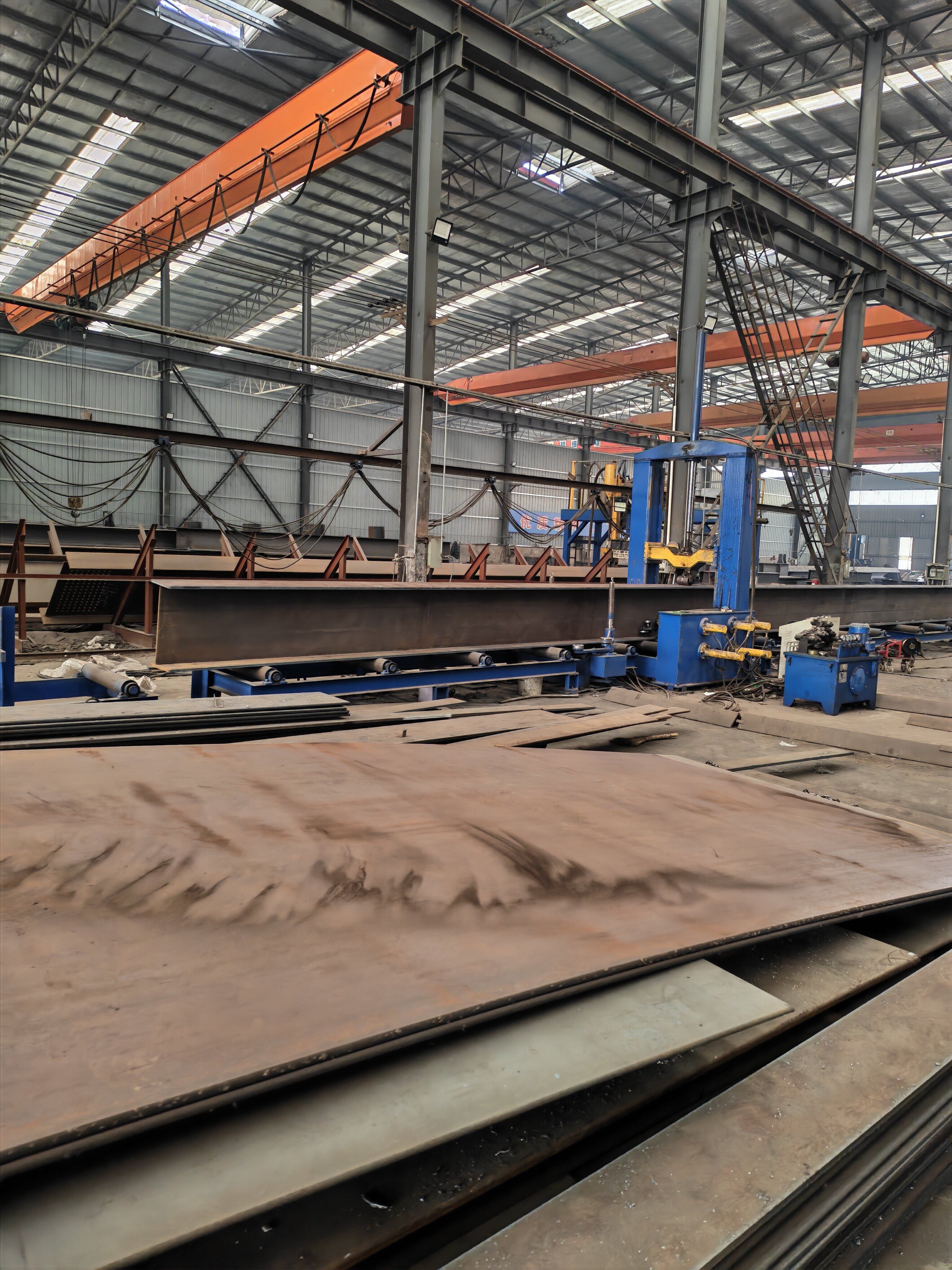
Supplier Visit Record
A general procurement checklist for site visits: record actual observations and open items. Project technical requirements are defined by the documents confirmed by both parties.
Use as a general-purpose procurement tool on-site: record actual observations and pending items. Technical requirements are subject to the documents confirmed by both parties.
| Checklist | Evidence to Review | Record or next action |
|---|---|---|
| 1. Contracting supplier and the factory that actually manufactures the order Relationship between the contracting supplier and the actual manufacturing plant |
Who is receiving you, which site the order is scheduled for, and how both parties describe their relationship Host Identity, Order Production Location, and Mutual Description of the Partnership |
List the company names and production site address, and ensure these exact names appear in the contract. Record company name and manufacturing address; ensure the same legal entity is used in the contract. |
| 2. Equipment and production schedule aligned with the requirements of your order Equipment and schedule aligned with project workflow |
What processes are running while you're there, where your order sits in the schedule, and who manages it. View in-process stages during your visit, your order's position in the production schedule, and the scheduler responsible. |
Note the processes you observed and the schedule provided verbally, then request them in writing. Record observed processes and verbal schedules, then request written confirmation. |
| 3. Material identification and how material records map to members Material ID, Material Records, and Component Mapping |
How materials are stored and labeled, and whether the displayed records match the members you see. Material storage and labeling methods: Do the recorded records correspond to the on-site components? |
Note the marking method and specify which records will accompany the shipment. Record identification method: Requesting records provided with the shipment |
| 4. Welding and surface treatment inspection records Welding and Surface Treatment Inspection Record |
How weld inspection and coating measurements are recorded, who signs them, and where records are stored How are weld inspections and coating measurements recorded, who signs them, and where are they stored? |
Note the record format and ensure your order follows the same format. Record form; please use the same format for your order. |
| 5. Member marking, packing, and container loading arrangements Component ID, Packaging, and Container Loading Plan |
How members are identified for erection, how they are protected during ocean freight, and how containers are loaded How to identify components for installation, protect them for sea freight, and load them into containers. |
Note the marking and packing method, and request that it be included in the contract or annex. Record number and packaging method; must be included in the contract or an attachment. |
| 6. Open items, responsible person, and written reply date Open Items, Owner, and Written Response Date |
Unanswered questions from the visit and the person who will address them Unanswered questions during the visit and the responsible personnel for responses |
List each open item with its name and reply date, and retain the list with the contract file. List pending items, responsible persons, and response dates; retain with contract files. |
Blank version as plain text file:Download visit checklistFill it out offline—no account required.
The blank version is a plain text file. Download it to fill out offline; no account registration required.
After the visit
Ensure the points agreed during the visit are included in the contract or technical annex: coating system, marking method, inspection stages, and reporting frequency. A site visit is valuable primarily because it converts assumptions into written terms.
Request that the agreements reached during the site visit be formalized in the contract or technical appendix, covering: anti-corrosion system, numbering scheme, inspection milestones, and reporting frequency. The primary value of the visit is converting assumptions into binding written terms.
Jiaqiang Steel Buyer Resources
We are a China-based export coordination team. Factory visits for your project are arranged with our partner factories, not with plants we own.About Us